
A small plug-in solar kit can sound like a simple way to cut electricity bills: buy the panel, place it on a balcony or terrace, plug it in and start saving. That is exactly why homeowners need clear proof behind any sales pitch that promises easy installation, quick payback or suitability for a particular property.
The timing matters. The Department for Energy Security and Net Zero confirmed on 16 July 2026 that compliant plug-in solar microgenerators are being brought into a new regulatory route, with the relevant statutory instrument due to come into force on 27 August 2026. For anyone comparing offers, the issue is not whether plug-in solar is interesting. It is whether the product, mounting method, safety information and savings forecast match what the seller has promised.
What changes on 27 August 2026?
The government’s plug-in solar response confirms that only products meeting an interim product specification can be sold and plugged in under the amendment. UK Parliament’s statutory instrument timeline shows SI 2026/848 was made on 16 July 2026, laid before both Houses on 17 July 2026 and is scheduled to come into force on 27 August 2026.
That date is likely to become a sales hook. A homeowner might hear that “plug-in solar is now legal”, that no installer is needed, or that a small unit will pay for itself quickly. Those statements are incomplete unless they are tied to the exact product, the property and the way the unit will be positioned and used.
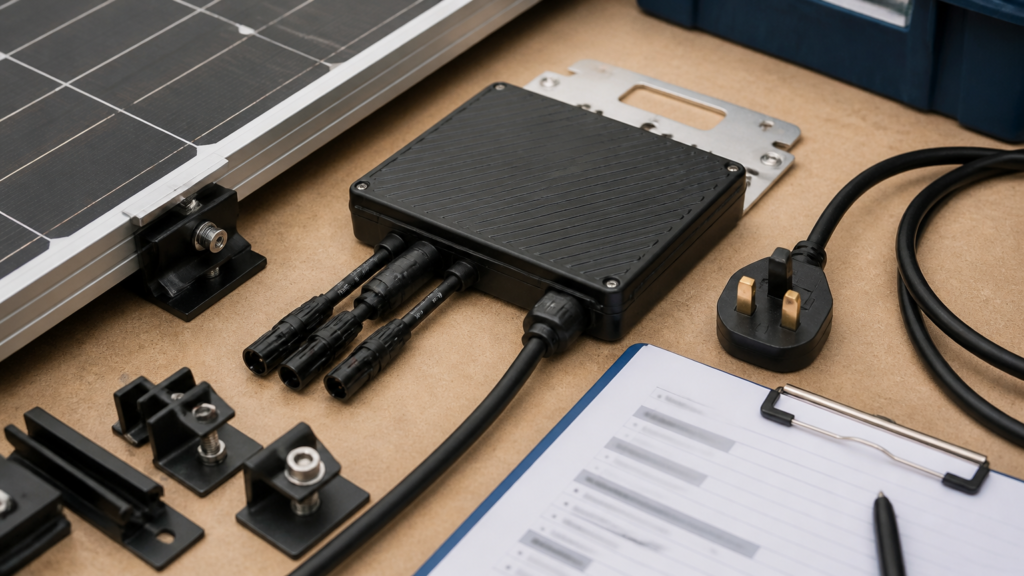
The official interim product specification describes a plug-in solar device as a defined system: a PV module, microinverter, BS 1363 plug connection lead and mounting system. It also sets limits, including maximum apparent power not exceeding 800 VA, and includes product-safety requirements.
In practical terms, the sales conversation needs to keep plug-in solar separate from an ordinary rooftop solar system. If a seller blurs that line, later questions about performance, suitability or compliance become harder to untangle unless the sales materials are clear.
When do savings and payback figures become a problem?
Mainstream coverage already shows how savings language is shaping expectations. The Guardian reported that households will be able to buy plug-in balcony solar panels later in summer 2026, with savings of around £70 to £110 a year being discussed. TechRadar’s consumer coverage referred to the idea that three to five years can be a realistic payback period, while also focusing on cost, fitting and suitability.
Those figures are useful context, not a personal guarantee. Output depends on positioning, shading, orientation, household electricity use and whether the product is installed and operated as intended. A shaded balcony, a north-facing wall or a garden space blocked by neighbouring buildings will not produce the same result as a clear, well-positioned location.
A savings pitch becomes more concerning when a general estimate is presented as if it applies directly to your home. Watch for phrases such as:
- “This will cut your bills by a fixed amount every year” without a property-specific calculation;
- “It pays for itself in three years” without explaining the assumptions;
- “No technical survey is needed” despite obvious shading or mounting issues;
- “Anyone can fit it anywhere” when the product relies on specific mounting and safety instructions.
If payback is part of the sales pitch, ask what electricity price, usage pattern, panel position, seasonal output and product capacity the forecast uses. The answer needs to be detailed enough to compare the promise with the product supplied.
DIY installation does not remove suitability questions
The new plug-in category is appealing because it sounds simpler than rooftop solar. It still involves a defined product system, not just a loose panel and cable. The government specification is clear that the device includes the panel, microinverter, plug lead and mounting system.
For a homeowner, that means the sales pack needs to identify the exact model and the route being advertised. The product information also needs to match the place where it will be used, whether that is a balcony, wall, garden area, shed or outbuilding.
A realistic dispute scenario is a homeowner buying a “balcony solar” kit after being told it suits their property, then finding the mounting equipment does not fit or the panel sits in shade for much of the day. Another is a product promoted as plug-in solar when the specification, capacity or components do not line up with the official interim definition.
Low output on its own does not prove mis-selling. The stronger question is whether the sales promise was traceable and realistic at the time of purchase. Adverts, quotations, screenshots, emails, product brochures, delivery notes, installer messages, photos of the installed position and written savings estimates all help show what was said and what was supplied.
When a solar panel claim review makes sense
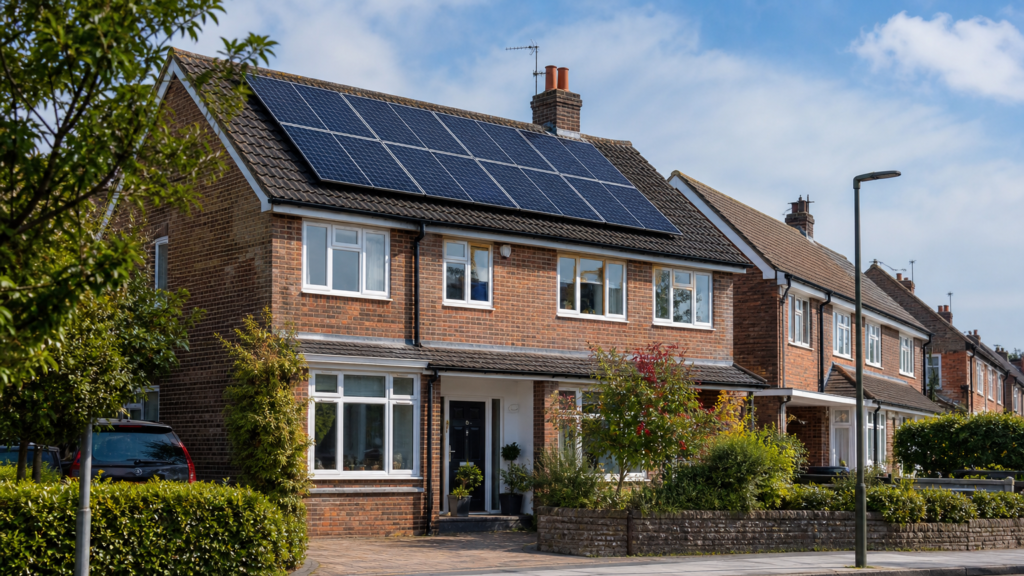
A solar panel claim review is most useful where there is a clear gap between the sales pitch and the end result. With plug-in solar entering the UK market, the strongest concerns are likely to involve exaggerated savings, unclear payback claims, unsuitable siting, missing product information, pressure to commit quickly or statements that do not match the official specification.
Before asking for help, gather the main evidence once:
- the quote or order form;
- the product specification and savings forecast;
- adverts, screenshots or written messages;
- installation or mounting instructions;
- photos of the panel location;
- any complaint response from the seller or installer.
If you believe your solar panels were mis-sold, misrepresented or sold with unclear performance claims, you can request a solar panel claim review through European Consumer Claims. A focused look at the sales promises, product details and installation route can show whether there is enough evidence to support a complaint or further action.
Plug-in solar is being presented as a simpler route into household solar. For homeowners, the safest next step is to treat every savings, suitability and compliance statement as something that must line up with the official specification and the real conditions at the property.