
Solar panels are often sold with a simple promise: lower bills, reliable equipment, clear certification and, for some households, payments for electricity exported to the grid. When the system underperforms, an inverter fault appears, certificates are missing or a caller pushes a costly maintenance plan, that promise can quickly turn into a dispute.
Citizens Advice reported 1,608 solar technology contacts in 2025 in its Low Carbon Home Upgrades Data Insights Report, published on 20 May 2026. The reported issues included technical faults, cold calls, potential scams, maintenance contracts, missing certification and difficulty accessing export payments.
Those figures do not turn every solar problem into proven mis-selling. They do show why homeowners need to line up the sales pitch, the installation record and the aftercare trail when something does not match what they were told.
When do solar problems point to mis-selling?
Mis-selling concerns usually begin with a gap between the pre-sale promise and the reality after installation. With solar panels, that gap can involve savings forecasts, expected system performance, installer credentials, certification, maintenance cover or export-payment access.
The key question is not only whether something has gone wrong. It is whether the problem contradicts a clear sales statement, written estimate, brochure, email, quotation or installer assurance.
Warning signs that deserve closer attention include:
- savings forecasts presented as firm outcomes rather than estimates;
- pressure to sign quickly, especially where questions about performance, installer details or cooling-off periods were brushed aside;
- being told an installer was properly certified, then later finding evidence that does not support that;
- equipment, system size or installation quality that does not match the quotation;
- missing handover certificates or export records that block benefits described during the sale.
Lower bill savings alone do not prove that solar panels were mis-sold. Weather, household usage and electricity prices all affect returns. But where the sales material created a misleading impression, the original forecast and later performance evidence become central.
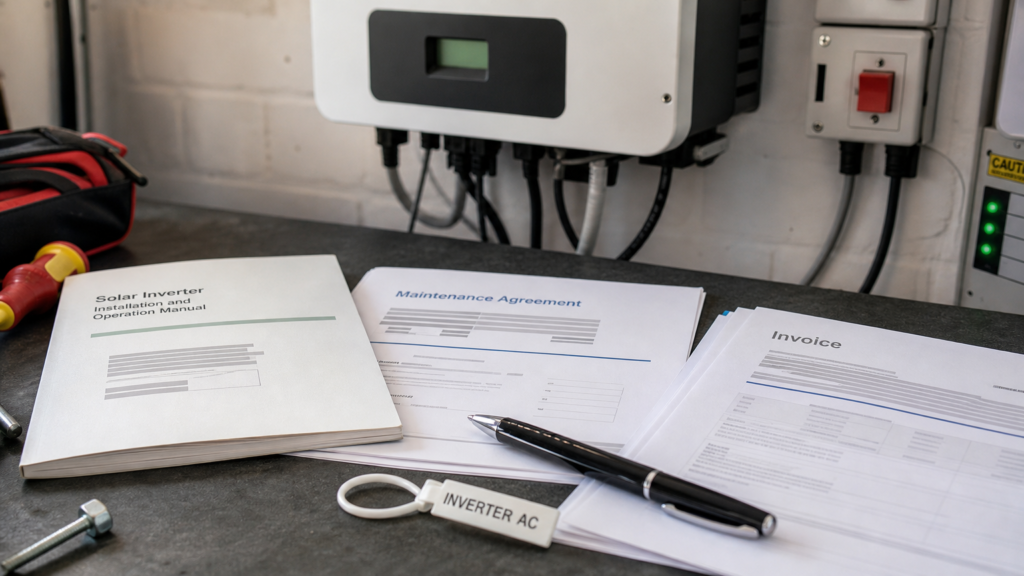
Why missing MCS, DNO or export records matter
Some solar records are more than admin. They can affect whether the installation is recognised, whether export arrangements can be set up, and how easily problems can be resolved later.
MCS certification is commonly used to show that a renewable installation and installer meet recognised standards. Citizens Advice gave an example of a consumer who discovered an installer was not MCS registered despite being told otherwise. If certification formed part of the sales promise, that mismatch matters.
DNO paperwork relates to the Distribution Network Operator, which is responsible for the local electricity network. Solar installations often need the correct notification or approval process so the system can connect safely to the grid.
Export payments are payments for electricity sent back to the grid, often through the Smart Export Guarantee offered by licensed suppliers. If a homeowner was told to expect export income, then later cannot access it because certificates or grid records are incomplete, the issue can involve the sale, the handover and aftercare.
A common scenario is a homeowner who signs after seeing an attractive savings and export estimate, then months later finds the supplier cannot process export payments because the certificate, commissioning details or grid paperwork are incomplete. In that situation, installer emails, certificate status, supplier correspondence and the original estimate all help show what changed.
Cold calls and maintenance plans can add a second problem
Citizens Advice also highlighted cold calls, potential scams and maintenance contracts. These approaches often arrive after installation, when the homeowner is already worried about performance, faults or missing records.
A caller might say the system needs urgent inspection, that the original installer is no longer responsible, or that the homeowner qualifies for solar panel compensation. Another approach might involve a maintenance agreement that overlaps with existing cover or costs far more than the likely service need.
Not every maintenance contract is a problem. Solar systems can need legitimate servicing, inverter attention or fault diagnosis. The risk is pressure: paying for cover you do not need, accepting a service that was misrepresented, or being pushed by claims about safety, warranties or compensation that are not backed by clear company information.
Before agreeing to new maintenance or responding to a compensation approach, compare the caller’s claims with the warranty, installer record and any existing service agreement. Treat an immediate-decision demand, vague company details or a claim of official backing as a reason to pause.
European Consumer Claims is not connected to Citizens Advice, GOV.UK, RECC, MCS or any official compensation scheme. A reliable solar panel case starts with what was said, sold, installed and recorded — not with a cold call promising an easy result.

What current consumer-protection reform says about the wider problem
The issue is now part of a wider policy debate. On 17 June 2026, the Department for Energy Security and Net Zero published a GOV.UK consultation on reforming consumer protection for home upgrade schemes. It covers oversight, advice, case management, installer accountability and consumer redress in markets that include solar panels.
For homeowners, that context is useful but not decisive. A government consultation does not settle an individual dispute. It does underline that home-upgrade problems can involve several linked stages: sales agents, installers, certification, aftercare, complaint bodies and redress routes.
The Renewable Energy Consumer Code also publishes complaint information for consumers. Where an installer is a RECC member, its process can be relevant to how a homeowner raises a complaint and what dispute route is available.
The right route depends on the installer, the sales agreement, the date of sale, what was promised and what happened after installation. That is why a clear timeline often matters more than a general feeling that the system has not delivered.
When to ask for a solar panel case review
If your solar panels have not delivered what you were sold, focus on the specific mismatch. That might be promised savings versus actual performance, named certification versus missing records, quoted equipment versus installed equipment, or maintenance cover versus what you already had.
The strongest starting point is usually evidence close to the sale and installation: the contract, quote, sales agreement, brochure, performance estimate, installer details, MCS certificate, DNO or export records, maintenance agreements, invoices, photos of faults and complaint correspondence.
If your papers, promised savings or installation do not match what you were sold, European Consumer Claims can examine the details and explain possible next steps. A careful case review can help you understand whether the issue is more likely to involve sales promises, contract terms, installation quality, certification or aftercare — and what to do next.